Automated insulin delivery (AID) links a continuous glucose monitor (CGM), an insulin pump and a software algorithm so that background insulin can be adjusted automatically, every few minutes. It is often called a "hybrid closed loop" or an "artificial pancreas", and the 2026 ADA Standards of Care put it front and centre. Here is how it works in plain language.
Key takeaways
- AID has three parts: a CGM, an insulin pump (or patch pump) and an algorithm.
- Most current systems are "hybrid": the algorithm adjusts background insulin, but users still tell the system about meals.
- The ADA's 2026 Standards of Care support earlier access to CGM and to automated insulin delivery.
- AID does not replace your care team. Settings, training and safety plans are set up with them.
The three parts of an AID system
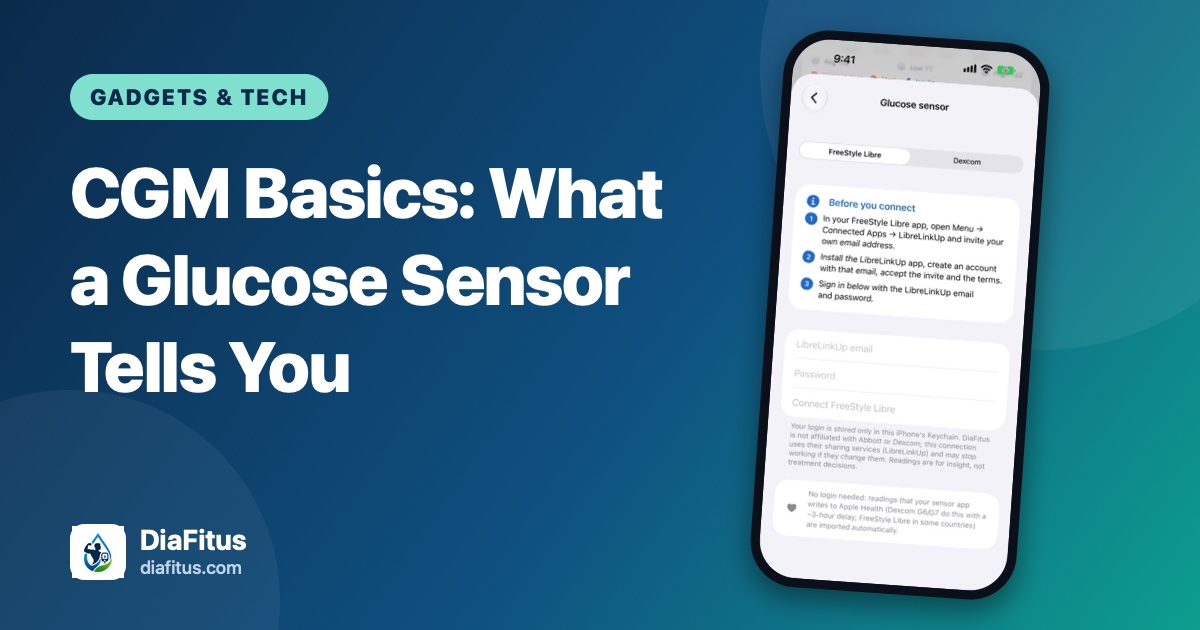
1. The sensor. A CGM measures glucose in the fluid under the skin and sends a reading about every five minutes. If you are new to sensors, see our guide to CGM basics.
2. The pump. This can be a pump with a tube or a tubeless patch pump worn on the body. It delivers small, steady amounts of insulin throughout the day, plus larger amounts for meals.
3. The algorithm. This is the software "brain". It looks at the current glucose reading, which way it is trending, and predicts where it is heading. It then decides to deliver a little more insulin, a little less, or pause. The software may run on the pump itself or on a phone.
What "hybrid" means
Most systems available today are hybrid closed loops. They automate the background (basal) insulin, but you still announce meals, usually by entering carbs or choosing a meal size, so the system can give mealtime insulin. Some also give automatic correction doses when glucose runs high. Exercise, illness and unusual meals can still need extra attention.
What the 2026 ADA Standards of Care say
The American Diabetes Association released its Standards of Care in Diabetes for 2026 on December 8, 2025. On technology, the ADA says CGM should be offered at diabetes onset and anytime afterward to anyone who could benefit. It also removed earlier prerequisites that had to be met before starting insulin pump therapy or automated insulin delivery. Coverage of the new guidance also reports that AID is now the preferred insulin delivery approach for people with type 1 diabetes, and that it can be considered for some adults with type 2 diabetes who use insulin. Read the primary documents linked below for the exact wording and eligibility.
What AID may do well
- Adjust insulin overnight while you sleep, which may reduce nighttime highs and lows.
- Respond faster than manual adjustments, since it checks in every few minutes.
- Lighten the mental load of constant small decisions.
Studies have found that AID systems can increase time in range, which is the share of the day spent within a target glucose range. Results vary from person to person.
What it does not do
- It is not fully hands-off. Meals, site changes, sensor changes and charging still need you.
- It can fail. Sensors can drift, infusion sites can stop working and connections can drop. Know your backup plan and your care team's advice for when the system pauses or stops.
- It does not remove the need for ketone and sick-day plans. See our sick day guide.
Exercise with an AID system
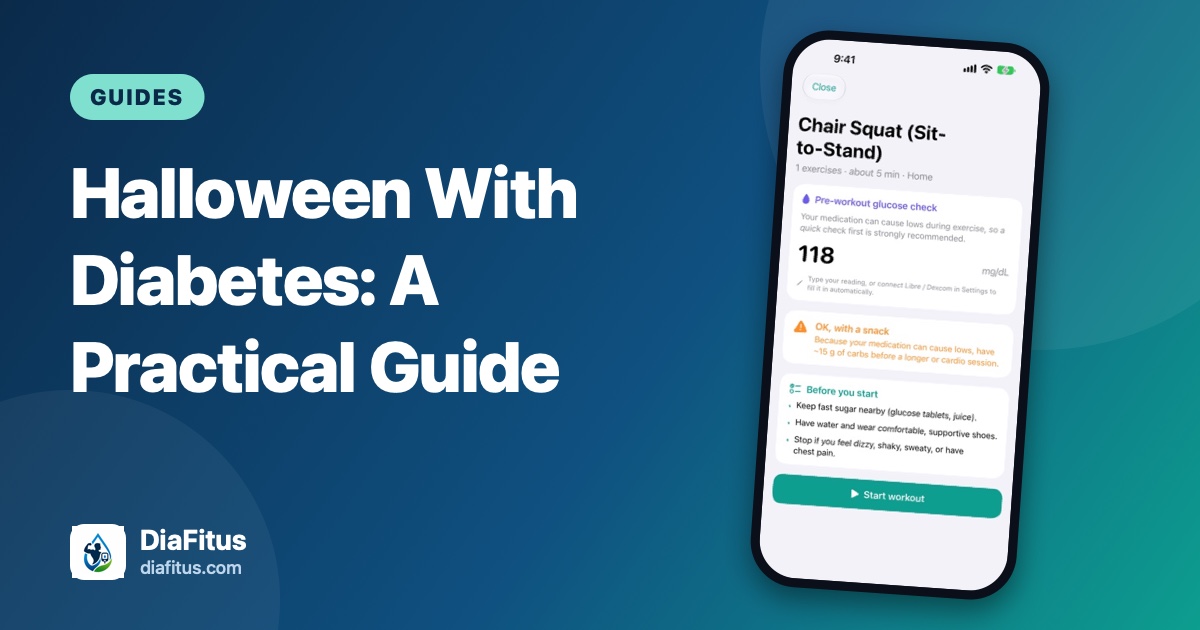
Activity can lower glucose quickly, and the algorithm cannot always predict it. Many systems offer an activity or exercise target setting that you can switch on ahead of time. How early, and what target to use, is something to work out with your diabetes team. Review the trace afterward to see what happened, including delayed lows later in the day. Our post on seeing what a workout does to your glucose shows how DiaFitus helps you look back at it.
Questions to ask your care team
- Which systems are available and covered where I live?
- Which pump and CGM combinations work together?
- What training and follow-up will I get?
- What do I do if the system stops working or I get an alarm?
- How should I handle exercise, travel and illness?
The bottom line
Automated insulin delivery combines a sensor, a pump and an algorithm to take over much of the minute-by-minute work of adjusting background insulin. It is a tool, not a cure, and it works best with good training and a team behind you. Talk with your doctor or diabetes care team about whether it fits your situation. DiaFitus is an independent app and is not affiliated with any pump or sensor manufacturer, and it does not control insulin delivery.